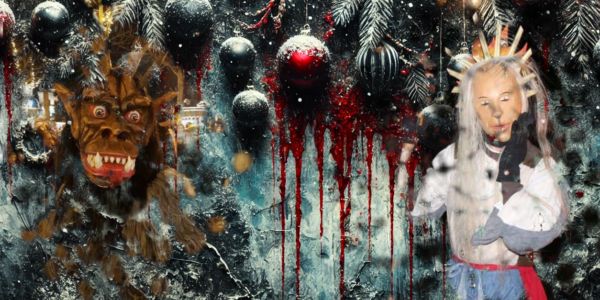
Winter in the Alps is a season of magic and mystery, but it also carries a shadowy side rooted in folklore. The Perchten, ghostly spirits of Alpine winter, emerge during the Twelve Nights (December 25 to January 6) to terrify and inspire. This article explores the chilling mythology of the Perchten and their enduring cultural significance as both harbingers of fear and keepers of Alpine tradition.
Who Are the Perchten?
The Perchten are haunting figures deeply embedded in Alpine folklore. Traditionally believed to roam the snowbound mountains and villages during the Twelve Nights, they are said to appear when the veil between worlds is at its thinnest. These spirits embody duality, with two forms: the Schöne Perchten (beautiful Perchten) and the Schiachen Perchten (ugly Perchten).
The Schöne Perchten are benevolent, bringing blessings and prosperity for the new year. In contrast, the Schiachen Perchten, grotesque and fearsome, serve to ward off malevolent spirits and punish wrongdoers. This duality reflects the balance between light and dark, reminding us of the need for reflection and renewal during the long Alpine winter nights.
Origins and Symbolism of the Perchten
The origins of the Perchten are shrouded in mystery, but they likely stem from pre-Christian fertility rites and seasonal celebrations. Over centuries, these traditions blended with Christian customs, giving the Perchten their unique mix of sacred and sinister qualities.
Central to their mythology is Frau Perchta, a goddess-like figure who oversees the Twelve Nights. Often called the “Guardian of the Beasts,” Frau Perchta leads the Perchten in their nocturnal processions, ensuring that sins are purged, and the land is cleansed for a new year. This symbolic ritual of fear and renewal mirrors broader seasonal themes of death and rebirth.
The Perchten Runs: A Living Tradition
The Perchten have transcended folklore, becoming a living tradition in Alpine communities. The Perchtenläufe (Perchten runs) are vibrant events held across villages during the winter. Participants don elaborate masks, costumes, and bells to embody these spirits.
The Schiachen Perchten masks, hand-carved with exaggerated features, are works of art representing grotesque and animalistic elements. The clanging of bells during these runs is believed to ward off evil spirits, echoing through the frosty Alpine air.
More than theatrical performances, the Perchtenläufe preserve Alpine cultural heritage. These traditions connect communities to their ancestors while adapting to modern times, ensuring the Perchten’s legacy endures.
Themes of Fear and Renewal
The Perchten embody a powerful duality: fear and hope. The terrifying Schiachen Perchten encourage villagers to confront collective anxieties, while the benevolent Schöne Perchten reassure them of brighter days ahead.
This interplay of darkness and light resonates with universal themes in folklore and horror. Just as Victorian Christmas tales use ghosts to inspire change, the Perchten invite introspection and transformation during the harshest months of the year.
Incorporating the Perchten into Modern Media
The Perchten’s eerie beauty and rich mythology make them perfect for modern storytelling. Imagine a video game set in a snowbound Alpine village during a Perchtenlauf gone awry or a horror movie featuring their spectral parade, complete with torchlight and echoing bells.
Their ambiguous nature, rooted in both fear and hope, offers fertile ground for exploring themes of morality, tradition, and the human psyche. Horror creators, game designers, and folklorists can find endless inspiration in the Perchten’s haunting legacy.
Conclusion: Shadows and Light in Alpine Tradition
The Perchten are more than spectral figures; they are living symbols of Alpine culture and the timeless power of myth. During the Twelve Nights, they bridge past and present, reminding us to embrace both darkness and light as we prepare for renewal.
As the year ends, let the Perchten inspire reflection and transformation. Their story teaches us that even in the coldest, darkest winters, the promise of rebirth is never far away.