Introduction
colour isn’t just a design element, it’s a language. In horror video games, this language speaks directly to our emotions, weaving fear, tension, and unease into the gameplay. Through intentional colour choices, developers create immersive worlds where players feel genuinely unsettled. This article delves into the The Impact of Colour in Horror Video Games, exploring its impact, cultural significance, and application through iconic case studies.

The Role of colour in Horror Video Games
The emotional connection between colour and gameplay is undeniable. In horror games, the strategic use of colour transforms ordinary scenes into terrifying encounters, enhancing the immersive experience and fostering a heightened sense of dread.
Developers utilize colour psychology to evoke primal fears, making horror games an intense and unforgettable experience. Research supports the theory that specific colours, lighting, and contrasts profoundly influence player emotions, as discussed in Goodman’s study on colour sources and their effects on tension (Goodman, 2012).
Red: The colour of Alarm
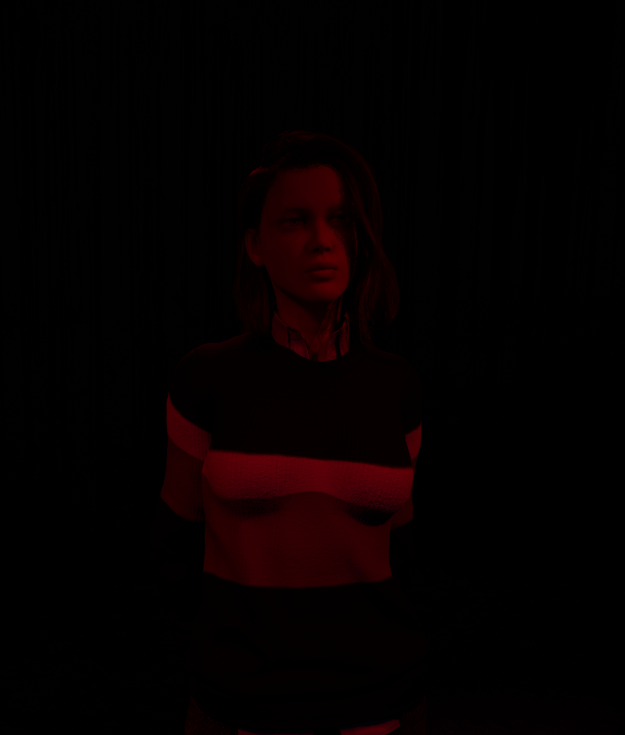
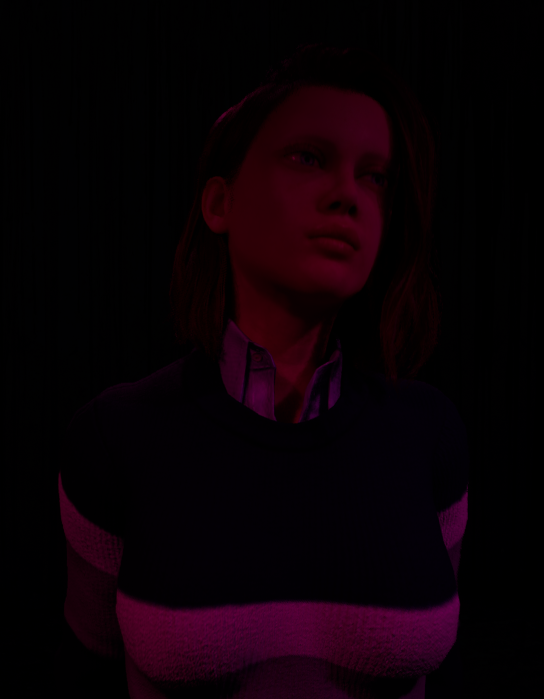
Red, an, almost, universal symbol of danger and urgency, is a staple in horror video games. When used sparingly—through lighting, blood splatters, or warning signs—it triggers heightened stress and anxiety. Goodman’s research highlights how red-light sources amplify fear by increasing physiological arousal and deepening player engagement in suspenseful moments (Goodman, 2012).
Muted Palettes: Dread in Desaturation
Dark and desaturated palettes are hallmarks of horror games, creating feelings of isolation and dread. In Silent Hill, the foggy, muted environments leave players in a constant state of uncertainty, heightening fear of the unknown. Jia and Ebner’s findings suggest that lower colour saturation intensifies fear responses by fostering a sense of emotional detachment (Jia and Ebner, 2015).
High-Contrast Scenarios
Contrast creates visual tension. Bright objects in dimly lit environments draw attention and unsettle the player, forcing them to focus on areas of perceived danger. Horror games masterfully leverage these contrasts to keep players on edge.
Subverting Calm with Low Contrast
On the other hand, low-contrast environments can initially lull players into a false sense of security. This calm is often shattered by sudden changes, enhancing the fear factor. For example, dark hallways punctuated by faint glows can suddenly transform into scenes of terror, utilizing lighting and shadow interplay to craft unexpected horror.
Cultural Nuances in colour Interpretation
Not all players interpret colours the same way. Cultural context shapes colour associations, meaning developers must consider global audiences. For instance, while red often signals danger in Western contexts, it symbolizes prosperity and luck in parts of Asia. Understanding these cultural differences allows developers to create games that resonate universally without losing their emotional impact (Andersen, 2024).
Case Studies: colour in Iconic Horror Games
Silent Hill 2
This game’s fog-drenched, desaturated aesthetic epitomizes the use of muted palettes to instil dread. By stripping environments of vibrancy, Silent Hill 2 fosters a sense of isolation and uncertainty, pulling players deeper into its unsettling narrative.
Amnesia: The Dark Descent
Minimal lighting and shadowy visuals dominate Amnesia: The Dark Descent. The limited colour schemes prey on the player’s fear of the unknown, with darkness itself becoming a central antagonist.
Outlast
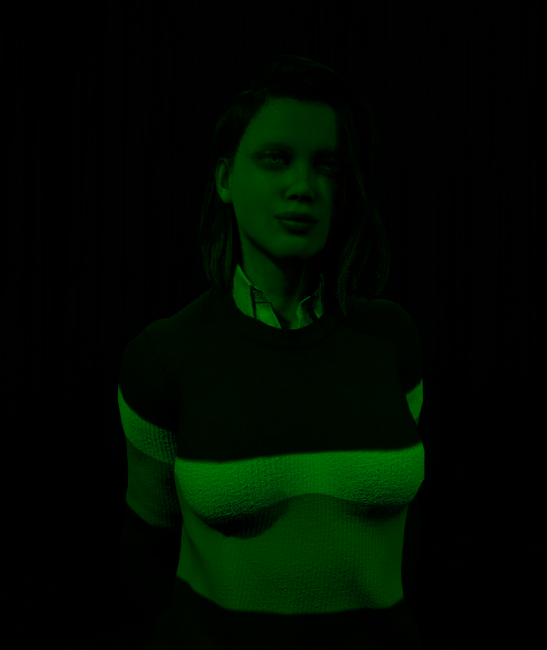
The green night-vision effect in Outlast creates a disorienting atmosphere, making players feel perpetually watched and vulnerable. This intentional use of green hues amplifies the sense of unease, leaving players on edge.
colour Psychology in Emerging Horror Games
As technology advances, horror game developers continue to innovate with colour. Ray tracing and dynamic lighting systems enable real-time changes in colour and contrast, opening new possibilities for emotional manipulation. For example, transitioning from warm, inviting tones to stark, cold hues can signal impending danger.
Practical Tips for Game Designers
- Leverage Psychological Associations: Incorporate colours like red and black for fear, blue for calm, and green for unease.
- Test Cultural Sensitivity: Ensure that chosen colour schemes resonate across diverse player bases.
- Experiment with Lighting: Use dim, flickering, or dynamic lighting to add depth to gameplay.
- Balance Contrast: Blend high and low contrast settings to maintain player engagement and tension.
Conclusion
colour is a powerful storyteller in horror video games. By harnessing its psychological and cultural implications, developers can craft deeply immersive experiences that resonate emotionally with players. As seen in Silent Hill, Amnesia, and Outlast, deliberate colour choices can transform ordinary game environments into haunting masterpieces.

The future of horror gaming lies in further exploring these techniques, pushing boundaries, and deepening the connection between players and their fears.
FAQs
How does red influence fear in horror games?
Red triggers heightened emotional states like anxiety and stress, making it ideal for creating tension in horror games.
Why are desaturated colours effective in horror video games?
Desaturated colours evoke feelings of isolation and uncertainty, amplifying the dread players feel.
Do cultural differences affect colour psychology in games?
Yes, cultural contexts shape how players interpret colours, making it crucial for developers to consider global audiences.
What is the role of contrast in horror game design?
Contrast creates visual tension, drawing attention to specific elements and enhancing the fear factor.
How do modern technologies enhance colour usage in games?
Advancements like ray tracing allow real-time colour and lighting shifts, enabling more dynamic and immersive horror experiences.
Which horror games are known for their colour usage?
Games like Silent Hill 2, Amnesia: The Dark Descent, and Outlast are renowned for their effective use of colour to evoke fear.
References
Goodman, L. (2012). ‘colour and Psychological Functioning’. Journal of Applied Social Psychology.
Jia, B., & Ebner, M. (2015). ‘Effects of colour on Emotions in Video Games’. IEEE Conference.
Andersen, G. (2024). The Importance of colour Theory in Video Game Design: Setting the mood and atmosphere. [online] Moldstud.com. Available at: https://moldstud.com/articles/p-the-importance-of-color-theory-in-video-game-design-setting-the-mood-and-atmosphere?utm_source=chatgpt.com [Accessed 3 Jan. 2025].